
Regional Supplemental Services

Manufacturing Staffing Solutions for Georgia Employers
Proven track record
Proven track record of success in placing hard-to-find candidates in a wide variety of industries
Strategies for long-term employment
Strategies for long-term employment so you can keep your staff on board for as long as you need them
Immediate assistance
Immediate assistance in the event of an emergency so you can rest assured that your business will remain productive
Cost-cutting strategies
Cost-cutting strategies that can help you save money on your staffing expenses
Seasonal job protection
Seasonal job protection so you don’t have to worry about your employees being laid off at the end of the season
A family-owned business
A family-owned business committed to providing you with exceptional service
An Unparalleled Record of Performance
Staffing agencies can help place temporary workers daily but also provide manufacturers with temporary workers to help with seasonal spikes in production or unexpected increases in demand.
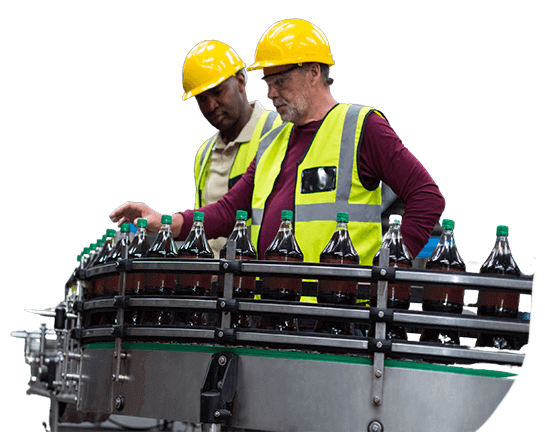
Assembly Line and Production Workers
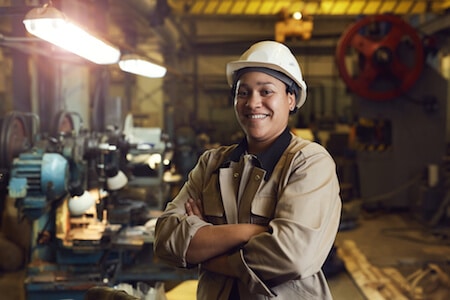
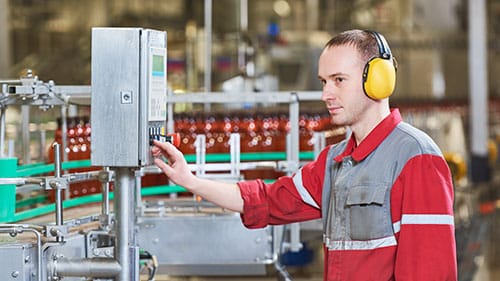
Machine Operators and Skilled Production Staff
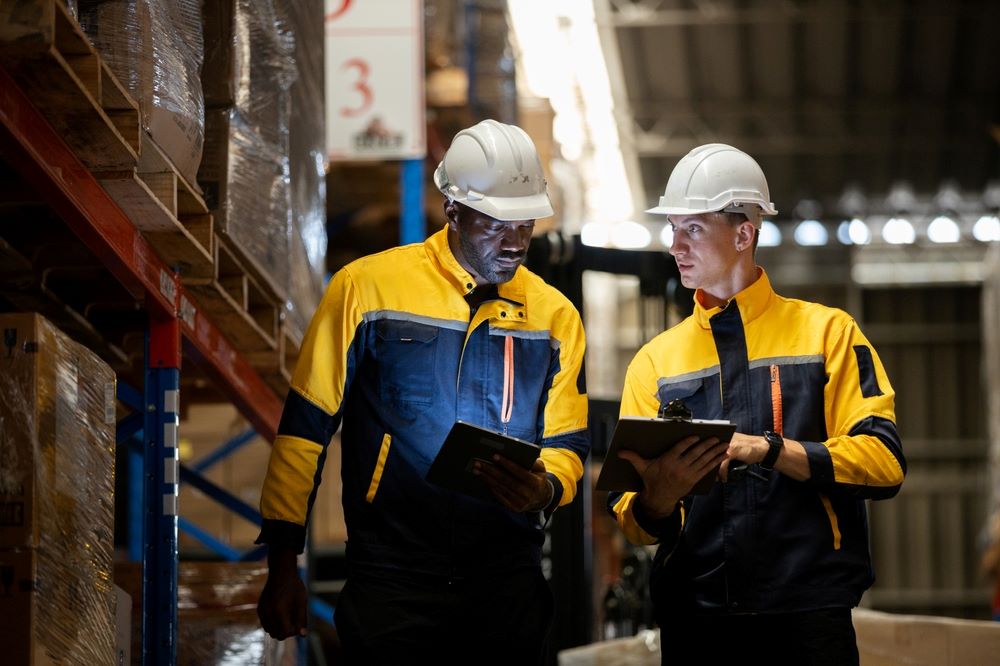
Packing, Material Handling, and Sanitation Workers
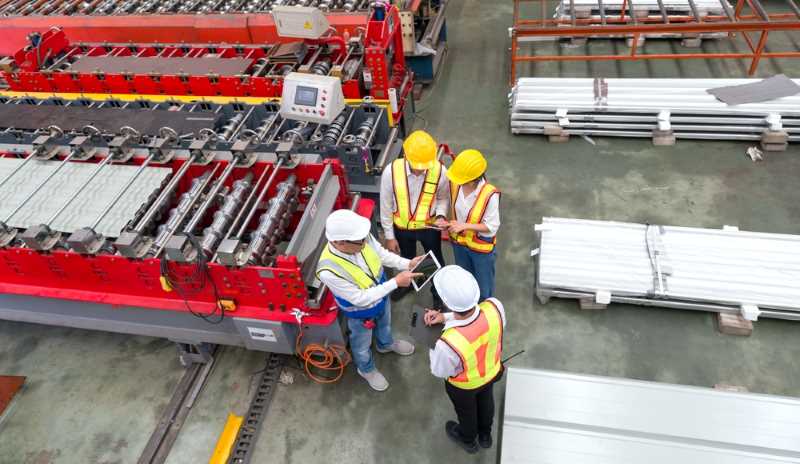
Short-Term, Seasonal, and Emergency Manufacturing Staffing
Why Choose RSS Inc. for Manufacturing Temp Staffing in Georgia?
How Our Manufacturing Staffing Process Works
1. Share Your Manufacturing Staffing Needs
Employers should provide the facility location, job titles, number of workers, shift schedules, production duties, required skills, equipment experience, physical requirements, workplace safety expectations, assignment duration, and desired start date to initiate manufacturing temp staffing in Georgia; specify the exact number of workers, outline necessary shift schedules, and define clear job requirements.
2. RSS Reviews the Workforce Requirements
RSS Inc. reviews the employer’s production environment and job requirements to identify temporary workers whose skills and experience may align with the assignment, ensuring that Georgia manufacturing staffing brings qualified temporary manufacturing workers into appropriate production roles and specific assignment requirements. Please note that depending on availability, we cannot guarantee immediate fulfillment for every request.
3. Temporary Workers Support Your Production Operation
Assigned workers support the agreed manufacturing roles and schedules through assembly, production, packing, machine operation, sanitation, material handling, quality inspection, or other factory support tasks. Client-site orientation and training follow the employer’s policies, procedures, equipment, safety standards, and job-specific requirements to ensure competent temp manufacturing workers in Georgia integrate smoothly into daily production operations with strict adherence to workplace safety and job-specific training.
4. Adjust Staffing as Production Needs Change
Temporary staffing levels may be adjusted according to production volume, project length, seasonal demand, order schedules, employee absences, new contracts, facility requirements, or other operational changes, allowing businesses utilizing manufacturing staffing services in Georgia to easily scale short-term manufacturing staffing, manage seasonal manufacturing staffing, and optimize active workforce levels.
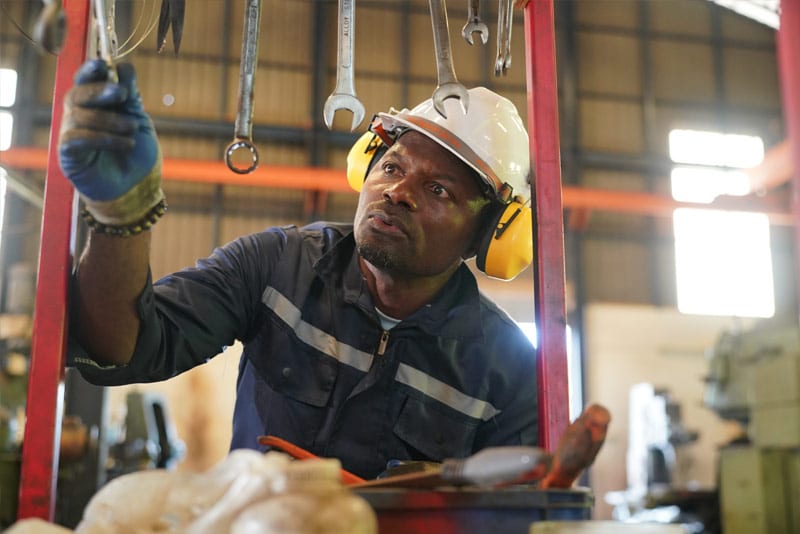
Georgia Manufacturing Facilities We Support
Manufacturing Staffing Solutions for Georgia Employers
Client Testimonials
For Employers Looking for Staffing Solutions?
Employers please submit the form below regarding your need for staffing solutions.

Bus Driver Staffing Challenges, Solutions, and the Road Ahead
The transportation industry is currently navigating an unprecedented and undeniable shift, with bus driver staffing emerging as one of the most critical and pervasive workforce challenges across the entirety of North America. This isn't a localized issue but a...

Keeping Your Enterprise Ahead with Interim CDL Drivers
Keeping Your Enterprise Ahead with Interim CDL Drivers In today's dynamic and fast-paced business environment, harnessing the potential of interim CDL (Commercial Driver's License) drivers is paramount. Temporary CDL drivers are the cornerstone of ensuring a company's...

The Role of a CDL A Driver
A CDL A Driver is a professional licensed to operate Class A commercial vehicles. These are typically heavy-duty trucks and trailers with a gross combination weight rating (GCWR) of 26,001 pounds or more, provided the towed vehicle is heavier than 10,000 pounds. The...
Frequently Asked Questions
What are the duties of an assembly line worker?
Assembly line workers are responsible for performing various tasks to build and assemble products. They often work with their hands to connect parts and components using tools such as wrenches and screwdrivers. They may also be responsible for testing products to ensure they meet quality standards and packing finished products for shipment. In some cases, assembly line workers may also be responsible for setting up and operating machines that perform automated tasks in the production process.
Although the specific duties of an assembly line worker can vary depending on the industry, most positions require workers to have strong attention to detail and the ability to work quickly and accurately.
Is working on an assembly line hard?
Working on an assembly line can be challenging for several reasons. First of all, it can be physically demanding. Employees are often required to stand for long periods, and they may need to lift heavy objects or perform repetitive movements. This can lead to fatigue and musculoskeletal injuries. In addition, assembly line work can be mentally challenging. Employees may need to pay close attention to their work to avoid making mistakes. Finally, working on an assembly line can be stressful. Employees may feel pressure to work quickly and efficiently and fear getting behind or making mistakes. As a result, working on an assembly line can be taxing both mentally and physically.
What does working in assembly mean?
Working in assembly means being responsible for a critical step in the manufacturing process. Assemblers ensure that product components are correctly and securely assembled according to the design specifications. This requires a high degree of attention to detail and manual dexterity, as well as a thorough understanding of the product being assembled. In many cases, assemblers will also be responsible for conducting quality control testing on the finished product to ensure that it meets all performance standards.
What skills do you need to be an assembler?
Assemblers need to have strong attention to detail to ensure that products are assembled correctly. They need to follow instructions carefully and work well under pressure. Additionally, working well as part of a team to efficiently complete assembly tasks is important. Assemblers must also be capable of using basic hand tools and power tools to assemble products and have strong fine motor skills. Those who wish to pursue a career in assembly should develop these skills to be successful in the field.
Looking for Manufacturing Production Workers?