
The Role of Workforce Strategy in Manufacturing Performance
Manufacturing relies on consistent output, predictable workflows, and reliable labor capacity. Facilities face fluctuating demand cycles, equipment variability, and uneven labor market conditions, all of which place pressure on staffing stability. Workforce strategy...
Contingency Staffing: How Organizations Maintain Continuity During Labor Disruptions
Contingency Staffing as a Continuity Strategy Labor disruptions create operational instability when critical roles cannot be filled. Contingency staffing provides a structured response framework that allows organizations to maintain production, service delivery, and...
When to Pivot from Strike Coverage to Permanent Hires
Why This Decision Matters Staying in strike coverage mode too long can quietly drain budgets and weaken workforce cohesion, while pivoting too early can create overhead and legal risk. The timing of your move determines both your financial performance and labor...
Strike Communications – Customers, Unions, and Staff
Communication as the Cornerstone of Continuity When a labor strike looms, communication becomes the single most decisive factor in how an organization weathers the disruption. While legal teams and staffing strategies often take the spotlight, the ability to deliver...
Strike Communications – A Practical Playbook for Customers, Unions, and Staff
A strike or strike threat is first and foremost a communication challenge. The organizations that fare best treat communications as a core workstream equal to operations and legal. This playbook sets out a phased, measurable approach to speak with one voice across...
Stand-Up Command Center Checklist (Staffing & Operations Playbook)
When disruption hits—strike actions, severe weather, cyber events, supply shocks, or unplanned surges—speed and clarity matter. The fastest way to regain control is to activate a command center with clear roles, a staffed schedule, decision rights, and a tight...
How Supervisor-to-Worker Ratios Impact Workflow Stability
Understanding the Logic Behind Ratios That Keep Workflows Stable In the modern industrial, logistics, and service environments, coverage waves—the strategic scheduling of supervisory oversight—have become an indispensable concept. When production floors, hospitals,...
Minimum Headcount to Stabilize Ops During a Strike
Why Headcount Planning During Strikes Matters Strikes rarely occur in a vacuum. They usually arrive after a buildup of operational tensions, negotiations, or broader industry disruptions. For employers, the immediate concern is not only negotiating with labor...
Why Continuity Planning Matters More Than Ever
Why Continuity Planning Matters More Than Ever Labor disruptions are no longer rare, one-off events. From union strikes and walkouts to sudden absenteeism during public health crises, businesses face increasing threats to their workforce stability. According to a 2024...
KPIs to Track in Contingency Staffing
Contingency staffing has become a cornerstone of workforce management in industries where demand can spike unexpectedly, skilled labor must be deployed quickly, or business continuity is at risk. Whether it’s covering seasonal warehouse surges, responding to...
Blog
 What Is a Temporary Workers Agency and How Does It Operate?
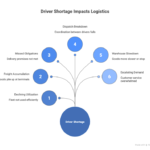 Strike Contingency Planning for Trucking Companies
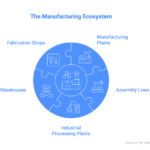 Machine Operator Staffing How Manufacturers Find Skilled Operators
 What Is a Heavy Equipment Operator Staffing Agency?
 OD Grinder Precision Machining Explained
 Truck Driver Staffing Agencies – What Employers Must Know
 Temporary Workers Agency Selection for Operational Stability
